Have you ever wondered which single move cuts your risk the most during a sudden roadside emergency?
Start by staying calm. Ease off the accelerator and coast toward the safest shoulder you can reach. If a left shoulder is clearer, aim for it rather than forcing a risky maneuver.
Set your parking brake, turn on hazard lights, and keep your seat belt on if traffic is heavy. Use your phone to note mile markers or the nearest exit so responders have clear information.
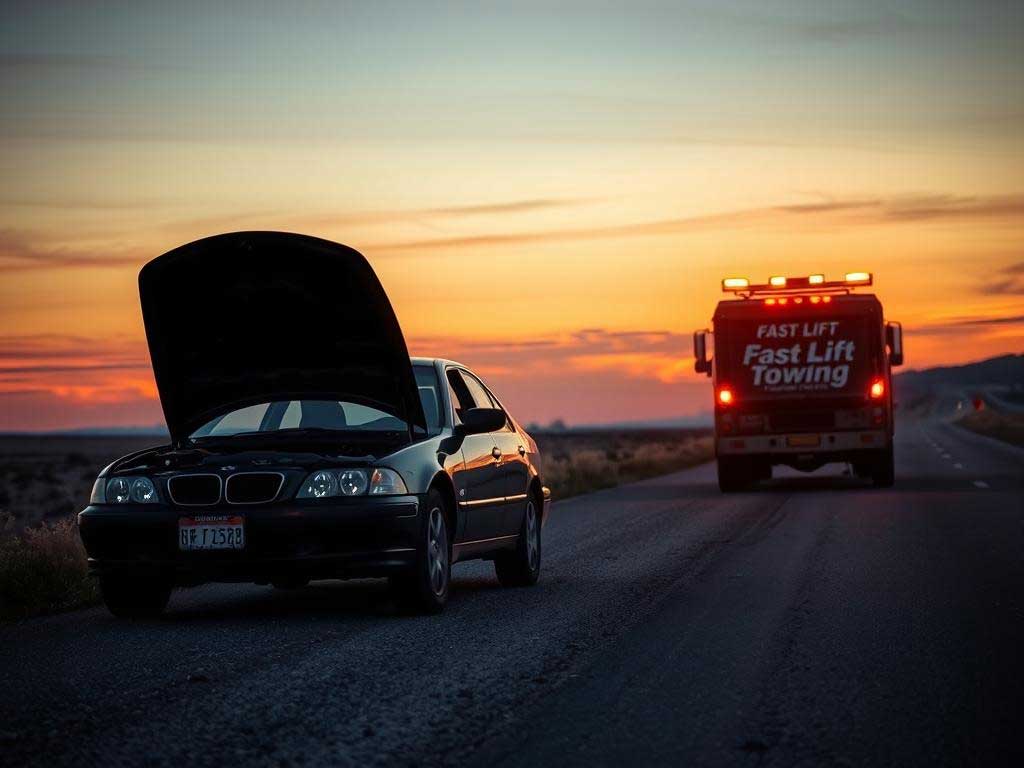
Call 511 first for free roadside assistance; they can send help for a tire change, gas, or a no-cost tow to the nearest exit. After you are off the road, call Fast Lift Towing at 818-517-6938 to tow your vehicle to your destination.
Only perform quick checks like coolant level or visible leaks. Place reflective triangles if it is safe, and avoid flares if you smell fuel. Prioritize safety: get safe, be seen, share your location, call 511, then arrange towing.
Stay Safe First: Move off the roadway, signal, and stay buckled
When you sense trouble, ease off the gas and steer toward the nearest safe shoulder. Coast in a straight line and avoid hard braking so other drivers can predict your move.
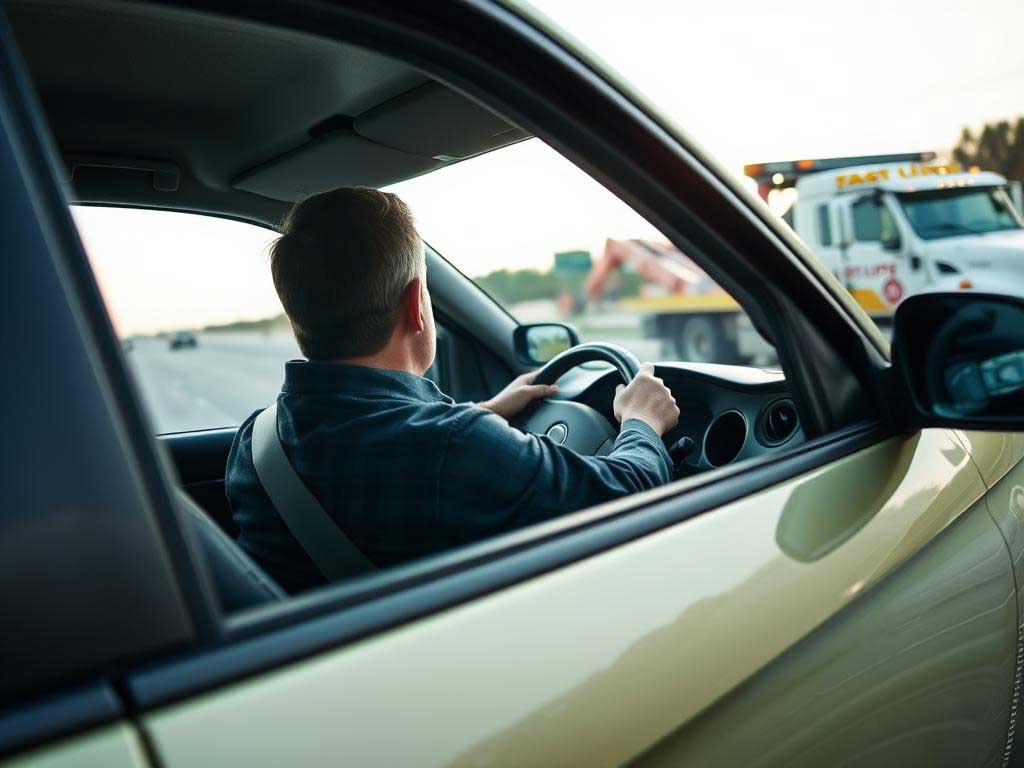
Once stopped: set the parking brake and turn on your hazard lights immediately to alert drivers. Keep your seatbelt fastened and lock the doors if traffic is heavy.
If you must exit, use the side away from traffic and move to a protected area such as behind a guardrail. In many cases, it is safer to stay inside until help arrives.
- Coast to a shoulder or safe turnout; do not slam the brakes.
- Set the parking brake and turn hazard lights or interior lights to alert drivers early.
- Keep your seatbelt on; lock doors and exit only on the passenger side if needed and it is safe.
- Note your location: nearest exit, mile marker, or call box so responders can find your vehicle fast.
- Call 511 for free roadside assistance once you are safe; after you exit the roadway, contact Fast Lift Towing at 818-517-6938 to finish the tow to your destination.
Call 511 for free roadside assistance and a safe tow to the nearest exit
When you can’t keep driving, call 511 right away to get free roadside help and move to the nearest safe exit.
511 connects you to free roadside assistance that can deliver a tire change, gas, a jump, or a no-cost tow off high-speed lanes. Stay in your vehicle with hazard lights on and share precise location details like exit number, mile marker, or a call box so responders find you fast.
Tell the 511 dispatcher exactly what service you need so they send the right crew and equipment. If your situation blocks a travel lane or feels dangerous, call police or 911 immediately before anything else.
- Use 511 first to lower exposure to traffic and avoid risky repairs beside fast-moving lanes.
- Keep your phone ready for updates and follow responder instructions for visibility and safe positioning.
- Once you are off the road, contact Fast Lift Towing at 818-517-6938 to tow your vehicle to your destination.
After you exit safely, call Fast Lift Towing at 818-517-6938 to reach your destination
It’s best to call 511 first for a free move to the nearest exit. After 511 gets you off the highway, use your phone to contact Fast Lift Towing at 818-517-6938. We will tow your car to your destination quickly and professionally.
Exit on the passenger side and wait behind a guardrail when possible. Keep your phone close so you can share exact location details and coordinate arrival.
- Call Fast Lift Towing once 511 has moved you safely off the road.
- Request a tow truck that fits your vehicle and confirm timing, location, and special needs.
- Keep your phone ready to guide the driver and confirm pickup at the nearest exit or safe turnout.
- Verify your insurance and policy after you are safe; keep receipts for insurance records.
- Remove valuables and needed documents from your car and confirm destination with the driver before loading.
Tips: Stay in a protected area while you wait, avoid standing near traffic, and ask for an estimated arrival time. Fast Lift Towing provides dependable service and prompt assistance after 511’s free move gets you off the highway.
When your car breaks down on the highway: hazard lights, flares, and visibility
When visibility matters most, turn on your hazard lights right away and make your vehicle clearly visible.
Turn hazard lights and pop the hood so approaching drivers can spot a problem early. If it is safe, open the hood to signal distress and keep hazard lights running until help arrives.
Place warning devices correctly
Set warning markers in a pattern that gives layered notice: one at about 10 feet, another near 100 feet, and a final marker 200–300 feet back along the road.
When flares are risky
If you smell fuel, skip flares and use reflective triangles or interior lights instead. Flames can ignite vapors; reflectors and bright interior lights still alert drivers without risk.
- Turn hazard lights and pop the hood to alert drivers.
- Place markers at 10 ft, 100 ft, and 200–300 ft when safe.
- Exit on the side away from traffic and stand behind a guardrail if available.
- Keep hazard lights on, call 511 for free help, then contact Fast Lift Towing at 818-517-6938.
No shoulder vs. wide shoulder: what you should do in each situation
Decide quickly whether you have enough paved space to stop safely or if staying put is the safer choice.
No shoulder available: If you cannot reach a shoulder, keep your seat belt fastened and stay inside. Turn on hazard lights and call 511 for free assistance so responders can move you off the highway safely.
Wide shoulder available: Pull as far onto the shoulder as possible. Exit only on the passenger side and move well behind a guardrail to place distance between you and passing drivers.
- Keep hazard lights on and share exact location with 511 for faster help.
- When space exists, use the passenger side to leave the vehicle and stand away from traffic.
- Recognize that drivers often steer toward what they look at; stay well away from the vehicle for safety.
- Once you are off the road, call Fast Lift Towing at 818-517-6938 to reach your destination.
Quick checks only: coolant level, brakes, and oil leaks
Before you try any fixes, take a moment to scan for smoke, leaks, or loose battery clamps.
Do only basic, safe inspections. Pop the hood only if it is safe and you can step clear of traffic. Check coolant level, look for obvious oil puddles, and glance at brake components for visible damage.
Look for smoke, fluid leaks, or loose battery cables
If you see smoke or flames, move away immediately and call emergency services. Do not touch hot components or attempt electrical repairs beside fast lanes.
Flat tire on traffic side? Wait for assistance
If a flat tire faces traffic, do not change it yourself. Call 511 first for free roadside help to get you safely off the road.
“Safety and removal from danger come first—repairs come later.”
- Check coolant, obvious oil leaks, and battery terminals only if conditions are safe.
- Avoid complex repairs; wait for roadside professionals when tools or space are limited.
- Keep records and insurance information for later; call Fast Lift Towing at 818-517-6938 after 511 moves you off the exit.
Use quick checks to confirm safety; full diagnostics belong at a shop.
Be prepared: emergency kit, maintenance, and roadside information
A small, well-organized kit and routine maintenance are your best defense against long delays.
Build a highway-ready kit and keep it within reach. Include reflective triangles, a flashlight with extra batteries, water, preserved snacks, jumper cables, a basic tool set, and a tire-pressure gauge.
What to pack
- Reflective vest, triangles, jack and lug wrench.
- First-aid kit, blankets, gloves, and a spare tire if you need one.
- Coolant, windshield-washer fluid, duct tape, and small hand tools.
Prevent problems with routine checks
Check tire pressure, brake condition, coolant level, and scheduled service intervals. Regular upkeep reduces surprises and keeps your auto running longer.
Store vital numbers and insurance details
Save 511 for free roadside assistance, local police/911, and Fast Lift Towing at 818-517-6938 in your phone and on paper with your registration. Review your car insurance and policy so you know what is covered before you call for help.
“Be prepared — small steps save lives.”
Practice what you’ll say when you call for assistance: exact location, vehicle type, and visible hazards. Good preparation shortens delays and keeps drivers safer.
Conclusion
Take a deep breath, secure your position, and share exit or mile-marker details when you call for assistance.
Get safe, be seen, and share precise location before you call 511 for free roadside assistance to the nearest exit. , After you are off the roadway, contact Fast Lift Towing at 818-517-6938 to schedule a tow truck to your destination.
Do only quick checks—coolant, brake feel, obvious oil leaks—and avoid complex repairs. Use hazard lights and, if safe, place reflective triangles; skip flares when you smell fuel. Stay inside if no shoulder exists and exit on the passenger side when it is safe.
Keep insurance and contact details handy, call police or 911 if lanes are blocked, and ask for help immediately when the situation feels dangerous.
FAQ
What should you do first if your vehicle stops functioning while traveling on a major road?
Move off the roadway as safely as possible. Signal and steer to the shoulder or an emergency lane, coast to a stop, and apply the parking brake. Keep your seatbelt fastened until you assess traffic and decide whether it’s safer to remain inside or exit on the curbside away from traffic.
How do you make your position visible to other drivers?
Turn on hazard lights immediately and raise the hood to signal trouble. If you have reflective triangles or battery-powered flares, place them behind the vehicle at 10 feet, 100 feet, and 200–300 feet to alert approaching traffic. If you smell fuel, skip open flames and rely on reflectors and interior lights instead.
When is it safer to stay inside the vehicle?
Stay inside if there’s no shoulder, heavy traffic, or poor visibility. Keep your belt on, lock the doors, and call for help. Exit only when you can reach a safe area away from lanes, such as behind a guardrail or well off the pavement.
How should you exit if a wide shoulder is available?
If the shoulder is wide and traffic is clear, exit on the passenger side and move to a protected spot behind a guardrail or well off the pavement. Face oncoming traffic while walking and wear a reflective vest if you have one.
Who should you call for free roadside assistance and a safe tow off the highway?
Dial 511 for free state-provided highway assistance in many regions. They can provide services like tire changes, fuel delivery, or a no-cost tow to the nearest safe exit. Keep your insurance and membership details handy if you also use an auto club.
What if you need a tow to your destination after exiting the highway?
Once you reach a safe exit, contact a reputable local towing service. For example, Fast Lift Towing at 818-517-6938 can transport your vehicle to a repair shop or storage facility. Confirm pricing and wait time before they arrive.
Should you attempt engine or brake repairs at the roadside?
Only perform quick visual checks: look for smoke, fluid leaks, or loose battery cables. Avoid complex repairs or getting under the vehicle near moving traffic. If you see serious smoke or fluid, call emergency services immediately.
What if you have a flat tire on the traffic side of the vehicle?
Do not change the tire if you are exposed to traffic. Stay inside with your seatbelt on and call roadside assistance. If you can safely move the vehicle to a wide shoulder or exit, do so before attempting a tire change.
What items should you keep in an emergency kit for highway travel?
Carry reflectors or warning triangles, a flashlight with fresh batteries, water, jumper cables, a basic tool kit, a tire repair kit or inflator, and a high-visibility vest. Also store important numbers like 511, local police or 911, and your preferred towing service.
How can regular maintenance reduce the risk of a breakdown?
Preventive checks cut risk: monitor tire pressure, inspect brake pads and fluid, check coolant and oil levels, and follow scheduled service intervals. Keep records and address warning lights promptly to avoid roadside failures.
What location details should you note when requesting assistance?
Note the nearest exit number, mile marker, or any roadside call box information. Describe whether you’re on the shoulder, behind a guardrail, or near a landmark. Clear location details speed response and keep you safer while you wait.